Unlock Your Potential: 7 Functional Fitness Hacks for Desk Workers
As a health professional, I see it all the time: the silent toll that prolonged sitting takes on our bodies. While your desk job might be mentally stimulating, your physical self often bears the brunt of long hours in a chair. The good news? You don’t need to quit your job or spend hours at the gym to counteract these effects. The solution lies in functional fitness for desk workers – movements that mimic everyday activities and strengthen your body for real life, not just the gym.
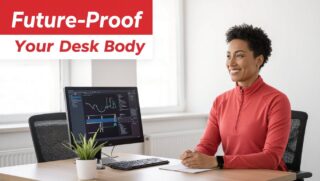
Here are seven practical, health professional-approved hacks to integrate functional fitness into your workday, helping you move better, feel better, and ultimately, live better.
1. The “Chair Squat” Micro-Break
Why it helps: Sitting weakens your glutes and hip flexors. Performing mini-squats throughout the day reactivates these crucial muscles, improving posture and preventing lower back pain.
How to do it: Every hour, stand up and perform 5-10 controlled squats, as if you’re just about to sit back down in your chair but hover instead. Focus on pushing your hips back and keeping your chest up. No need to go super deep; just enough to engage those muscles.
2. Desk-Side Thoracic Twists
Why it helps: Desk work often leads to a rounded upper back and stiff shoulders. Thoracic twists improve spinal mobility, crucial for good posture and reducing neck and upper back tension.
How to do it: While seated (or standing if you prefer), gently twist your upper body to the right, placing your left hand on your right knee for leverage. Look over your right shoulder. Hold for a few breaths, then repeat on the other side. Aim for 2-3 twists per side, a few times a day.
3. “Coffee Run” Calf Raises
Why it helps: Poor circulation and weakened calf muscles are common for desk workers. Calf raises improve blood flow in your lower legs and strengthen the “second heart” that pumps blood back to your core.
How to do it: Whenever you get up for a coffee, water, or restroom break, perform 10-15 calf raises. You can do them standing at your desk, waiting for the microwave, or in the hallway. Go up onto the balls of your feet and slowly lower down.
4. Standing Desk “Marching”
Why it helps: If you have a standing desk, you’re already ahead of the game! But even standing still can lead to stagnation. Gentle marching keeps your blood flowing, engages your core, and prevents your legs from feeling heavy.
How to do it: Every 20-30 minutes while standing, simply march in place for 1-2 minutes, lifting your knees high. You can even add some arm swings to get your whole body involved.
5. The “Reach for the Sky” Stretch
Why it helps: Prolonged typing and mouse use can lead to tight chest muscles and hunched shoulders. This simple stretch opens up your chest and lengthens your spine, counteracting the “desk posture.”
How to do it: Stand up tall. Interlace your fingers and press your palms towards the ceiling, stretching your arms overhead. Take a deep breath, reaching higher with each exhale. Hold for 15-20 seconds. Repeat a few times throughout the day.
6. Wall-Assisted Glute Squeezes
Why it helps: Your glutes are designed to be powerful movers, but they often “turn off” when you sit for extended periods. Activating them regularly can alleviate lower back pain and improve overall stability.
How to do it: Stand with your back against a wall. Gently squeeze your glutes together as if you’re trying to crack a nut between your butt cheeks. Hold for 5-10 seconds, then release. Do 10-15 repetitions every time you take a short break.
7. Hydration & Movement Synergy
Why it helps: Staying hydrated is crucial for overall health and even joint lubrication. Pairing your water intake with movement creates a powerful synergistic effect.
How to do it: Keep a large water bottle at your desk. Every time you finish a bottle, get up and perform one of the exercises above or simply walk a lap around your office. This mindful pairing ensures you’re hydrating and moving consistently throughout your day.
Top 5 Functional Fitness for Desk Workers Tools
1. Standing Desk Converter
Description: A standing desk converter sits on top of your existing desk and allows you to easily switch between sitting and standing throughout the day. Many models offer pneumatic or electric height adjustment, making the transition seamless.
Why it’s great for desk workers: Prolonged sitting is a major contributor to back pain and sedentary lifestyles. A standing desk converter helps break up long periods of sitting, promotes better posture, increases calorie expenditure, and can boost energy levels and focus. It’s a fantastic entry point for those not ready to invest in a full standing desk.
2. Under-Desk Elliptical or Pedal Exerciser
Description: These compact exercise machines fit neatly under your desk, allowing you to pedal or stride quietly while you work. They often feature adjustable resistance levels and a display to track metrics like distance, calories burned, and revolutions.
Why it’s great for desk workers: An under-desk elliptical or pedal exerciser provides a low-impact way to keep your legs moving and improve circulation without interrupting your workflow. It combats the “dead legs” feeling, helps burn extra calories, and can increase overall daily activity, contributing to cardiovascular health.
3. Ergonomic Footrest with Massaging Surface
Description: More than just a simple footrest, these often feature an adjustable height and tilt, along with a textured or rolling surface designed to stimulate circulation and provide a gentle massage. Some even have built-in heating elements or vibration.
Why it’s great for desk workers: Proper foot support is crucial for good posture and preventing lower back strain. A massaging footrest goes a step further by actively engaging the muscles in your feet and calves, improving blood flow, and providing a soothing effect that can reduce fatigue and discomfort during long hours.
4. Set of Resistance Bands (Various Strengths)
Description: A versatile set of looped or flat resistance bands comes in different resistance levels, allowing for a wide range of exercises. They are lightweight, portable, and can be used for strengthening, stretching, and rehabilitation.
Why it’s great for desk workers: Resistance bands are ideal for quick, discreet exercises at your desk. They can be used to activate glutes, strengthen upper back muscles (to counteract slouching), improve hip mobility, and perform gentle stretches. Their portability means you can easily store them in a drawer and use them for micro-breaks throughout the day
5. Posture Corrector / Smart Posture Trainer
Description: Posture correctors can range from simple straps that gently pull your shoulders back to more advanced smart devices that vibrate or send alerts to your phone when you start to slouch.
Why it’s great for desk workers: For those struggling with persistent slouching and rounded shoulders, a posture corrector can serve as a constant reminder and support. Smart trainers provide real-time feedback, helping you become more aware of your posture habits and gradually train your body to maintain a more upright and ergonomic position, reducing strain on your neck and back.
Final Thoughts on Functional Fitness For Desk Workers
Incorporating these simple, effective functional fitness strategies into your workday can make a profound difference in your physical well-being. Remember, small, consistent efforts lead to significant results. Your body will thank you!
Searches related to “functional fitness for desk workers”
best fitness tips for seniors that work
best functional fitness for postpartum moms
functional fitness for busy professionals
functional fitness for desk workers