🌿 Berberine Weight Loss: A Deep Dive into “Nature’s Metabolic Switch”
In the crowded landscape of dietary supplements, few compounds have generated as much recent buzz as berberine. Its rising popularity is directly linked to its demonstrated effects on metabolism. This led many to explore berberine weight loss as a natural, complementary strategy.
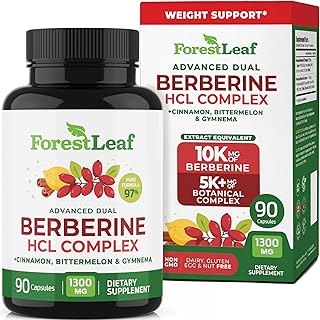
Shop Link: Check Price
Long revered in traditional Chinese and Ayurvedic medicine, this yellow alkaloid, extracted from plants like the barberry and goldenseal, is now at the forefront of modern metabolic research.
This surge in interest has positioned berberine as a non-pharmaceutical option for those looking to manage weight and improve overall health markers. But what does the science actually say about this supplement’s ability to help you shed pounds, and how does it stack up against powerful new prescriptions like the GLP-1 receptor agonists? We explore the complex mechanisms, clinical evidence, and practical considerations for using berberine to support your health journey.
The Core Mechanism: How Berberine Influences Metabolism
Berberine is unique because it is a multi-target compound, meaning it affects various molecules and pathways within your cells simultaneously. Unlike many supplements with a single focus, berberine acts like a master metabolic regulator.
1. The Activation of AMPK: The “Metabolic Switch”
The most significant and widely studied mechanism of action for berberine is its ability to activate an enzyme called AMP-activated protein kinase (AMPK). This enzyme, found in every cell, is often referred to as the body’s master “metabolic switch” or fuel gauge.
- When activated, AMPK shifts the body into a state that favors fat burning over fat storage. It signals the cells to increase the uptake of glucose, improve insulin sensitivity, and enhance fatty acid oxidation. Essentially, berberine helps encourage your body to burn the energy it has stored, rather than constantly creating and storing new fat.
- The Result: This activation can lead to a reduction in the development of new fat cells (adipogenesis) and an increase in the breakdown of existing fats (lipolysis).
2. Blood Sugar Regulation and Insulin Sensitivity
One of the primary drivers of weight gain, particularly visceral or “belly” fat, is chronic high insulin and poor blood sugar control (insulin resistance). Berberine addresses this through several pathways:
- Minimizing Glucose Production: It helps decrease the production of glucose in the liver.
- Improving Insulin Response: It increases the expression of glucose transporter type 4 (GLUT4), a protein that facilitates the movement of glucose from the bloodstream into muscle and fat cells for energy use. This makes the body more responsive to its own insulin.
- Slowing Carb Absorption: Berberine acts as an alpha-glucosidase inhibitor, slowing the breakdown of complex carbohydrates in the gut, which minimizes sharp post-meal blood sugar spikes.
By stabilizing blood sugar and enhancing insulin sensitivity, berberine reduces the body’s need to constantly release high levels of insulin, which is a powerful anabolic (fat-storing) hormone.
3. Gut Microbiome Modulation
The gut is a critical player in metabolic health. Berberine possesses antimicrobial properties that help it balance the gut environment. Research suggests that berberine may:
- Increase Beneficial Bacteria: It can promote the growth of specific bacteria strains, such as Akkermansia muciniphila, which are often associated with leaner body composition and improved metabolic function.
- Reduce Inflammation: By reducing harmful microbes and improving the integrity of the gut barrier, berberine helps counteract the chronic, low-grade inflammation that is closely linked to obesity and insulin resistance.
Berberine vs. GLP-1 for Weight Loss: Understanding the Difference
The recent viral marketing of berberine as “Nature’s Ozempic” has created confusion. It is vital to distinguish between a pharmaceutical intervention and a natural supplement.
What are GLP-1 Receptor Agonists?
GLP-1 receptor agonists (like Semaglutide, the active ingredient in Ozempic/Wegovy) are a class of injectable prescription medications that have revolutionized weight management.
Mechanism: These drugs directly mimic the structure and function of the natural gut hormone Glucagon-Like Peptide-1 (GLP-1). They bind tightly to the GLP-1 receptors in the brain and pancreas.
Effect: They trigger a profound feeling of satiety (fullness), slow the rate at which food leaves the stomach (gastric emptying), and significantly reduce appetite, leading to substantial and sustained weight loss (often 15% to over 20% of initial body weight in clinical trials).
| Feature | Berberine (Supplement) | GLP-1 Receptor Agonists (Prescription Drug) |
| Action | Indirect Metabolic Modulator. Activates AMPK, improves insulin sensitivity, and may increase the body’s natural production of GLP-1. | Direct Hormone Mimic. Directly binds to and activates GLP-1 receptors in the brain and gut. |
| Effect on Appetite | Modest, secondary effect derived from improved blood sugar stability and gut health. | Powerful, primary effect: dramatically slows digestion and suppresses appetite. |
| Efficacy for Weight Loss | Modest. Studies show average reductions in BMI, waist circumference, and body fat, often in the range of 3%–7% of body weight. | High. Leads to clinically significant and sustained weight loss (typically 15%+). |
| Regulation | Dietary Supplement (FDA not required to approve for efficacy). | Prescription Drug (Rigorous FDA approval process for efficacy and safety). |
Conclusion:
While berberine supports metabolic pathways that overlap with the benefits of GLP-1 drugs—namely, improved blood sugar and appetite control—it does not mimic the drug’s potent, direct hormone action, nor does it yield the same magnitude of weight loss results. It is best viewed as a metabolic enhancer to be used alongside a healthy lifestyle.
Clinical Evidence for Berberine and Weight Loss
While research is ongoing and studies often vary in methodology, numerous human clinical trials and meta-analyses support berberine’s role in improving body composition, particularly in individuals with pre-existing metabolic issues like diabetes, Polycystic Ovary Syndrome (PCOS), or metabolic syndrome.
Body Composition: Studies consistently report that berberine supplementation is linked to moderate but significant reductions in body mass index (BMI), waist circumference, and overall body fat, especially visceral adipose tissue (the dangerous fat surrounding abdominal organs).
Metabolic Markers: Perhaps more compelling are its effects on blood markers. Berberine has shown an ability to lower fasting glucose, reduce hemoglobin A1c (a marker of long-term blood sugar control), and improve lipid profiles by lowering LDL (“bad”) cholesterol and triglycerides. These effects indicate a healthier internal metabolic environment, which is the true foundation of sustainable weight management.
🔑 How to Use Berberine Safely and Effectively
For those considering adding berberine to their wellness regimen, optimizing its use is key to maximizing potential benefits while minimizing side effects.
Dosage and Timing
There are no official guidelines, but the majority of effective clinical trials use a total daily dose of:
- Dosage: 1,000 mg to 1,500 mg per day, typically divided into two or three equal doses.
- Timing: Due to berberine’s short half-life (meaning it is metabolized quickly), it is generally recommended to take it 30 minutes before or with your main meals (e.g., 500 mg before breakfast, lunch, and dinner). Taking it before a meal maximizes its effect on reducing the post-meal glucose spike.
Bioavailability and Absorption
Berberine has naturally poor bioavailability. To counteract this, some supplements combine it with absorption enhancers, such as:
- Milk Thistle (Silymarin): Can help inhibit the enzymes that break down berberine.
- Liposomal or Phytosome Delivery Systems: Advanced formulations that enclose the berberine in a fatty layer to enhance its absorption in the gut.
Side Effects and Precautions
Berberine is generally well-tolerated at studied doses, but side effects, usually mild, are typically digestive, including:
- Constipation or Diarrhea
- Gas and Bloating
- Abdominal Cramping
Crucial Warning: Berberine is a powerful compound that can lower blood sugar and blood pressure. You must consult with a healthcare professional before starting berberine, especially if you are currently taking medications for diabetes (like metformin or insulin), blood pressure, or cholesterol, as combining them could lead to dangerously low blood sugar or other interactions. It should also be avoided by pregnant and breastfeeding women.
The Takeaway
Berberine is not a magic pill, nor is it a direct replacement for clinically proven pharmaceutical therapies like GLP-1 receptor agonists. Instead, it is a well-researched natural supplement that functions as a potent metabolic aid.
For individuals struggling with insulin resistance, high blood sugar, or difficulty managing weight despite diet and exercise. Berberine offers a scientifically backed path to:
- Enhance Insulin Sensitivity: Making your body more efficient at utilizing food for energy.
- Activate Fat-Burning Pathways: Shifting your metabolism toward utilizing stored fat.
- Support Gut and Cardiovascular Health: Providing holistic metabolic benefits.
By incorporating berberine alongside foundational lifestyle changes—a balanced diet and consistent exercise—you empower your body’s natural metabolic machinery to pursue sustainable and significant health improvements.