Weight Loss Supplements for Men and Women Over 40: What You Should Know

Losing weight after 40 can feel very different from losing weight in your 20s or 30s. Finding a weight loss supplement that works for you can be a game changer.
You may be eating the same foods you have eaten for years, but the scale seems harder to move. You might exercise regularly but still struggle with belly fat, cravings, low energy, or maintaining the results you worked hard to achieve.
This is one reason weight loss supplements have become increasingly popular among men and women over 40.
But supplements are not magic pills. The right product may help support certain aspects of a weight-management plan, while the wrong product can be expensive, ineffective, or potentially unsafe.
The key is knowing what to look for and understanding where supplements actually fit into a healthy weight-loss strategy.
Why Weight Loss Can Become More Difficult After 40
Getting older does not automatically mean that weight gain is unavoidable. However, several changes associated with aging can make weight management more challenging.
One important factor is the gradual loss of muscle mass when you do not actively work to maintain it. Muscle tissue uses energy, so having less muscle can contribute to a lower daily energy expenditure.
Hormonal changes can also affect body composition and appetite.
For women, the years surrounding menopause can bring changes in estrogen levels, body-fat distribution, sleep, appetite, and physical activity.
Men can experience gradual changes in testosterone and body composition as they age. This does not mean that every man over 40 has low testosterone, but maintaining muscle becomes increasingly important.
There are also lifestyle factors.
Work responsibilities, family commitments, stress, poor sleep, and less physical activity can all make it harder to maintain the habits that supported a healthy weight when you were younger.
This is where a comprehensive approach becomes important.
Instead of asking, “Which supplement will make me lose weight?” a better question is:
“Could a particular supplement help support the habits I am already using to manage my weight?”
That difference can help you make much better decisions.
What Are Weight Loss Supplements?
Weight loss supplements are dietary supplements marketed to support weight management.
They can contain a wide range of ingredients, including vitamins, minerals, fiber, plant extracts, caffeine, protein, amino acids, and other compounds.
Some products are designed to support appetite control. Others are marketed around metabolism, energy, fat oxidation, blood-sugar management, or digestion.
However, the fact that an ingredient is included in a supplement does not automatically mean that the finished product will produce significant weight loss.
Research on individual ingredients can also differ considerably from research on a particular supplement product.
That is why consumers should look beyond the marketing claims.
Weight Loss Supplements for Women Over 40
Women over 40 may have weight-management concerns that differ from those of younger women.
Perimenopause and menopause can bring changes in hormones, sleep, mood, appetite, and body composition. Some women notice that they begin storing more fat around the abdomen.
This can be frustrating, particularly if traditional dieting approaches no longer seem to work as well as they once did.
Rather than looking for a supplement specifically labeled “for women over 40,” consider the underlying goal.
1. Protein Support
Protein is particularly important as you get older because maintaining muscle becomes increasingly important.
A protein-rich diet can help with maintaining lean body mass and may help you feel satisfied after meals.
For women who struggle to get enough protein from food, a protein supplement may be a convenient option.
However, protein powder should generally be viewed as a convenient food source rather than a fat-burning supplement.
2. Fiber
Fiber can help increase fullness and supports digestive health.
Foods such as vegetables, beans, lentils, fruits, oats, and whole grains can provide fiber naturally.
Some weight-management supplements contain additional fiber because increasing fiber intake may make it easier for some people to control hunger.
If increasing supplemental fiber, introduce it gradually and drink adequate fluids.
3. Caffeine-Based Products
Caffeine is found in many popular weight-management products because it can temporarily increase alertness and energy expenditure.
However, more is not necessarily better.
High doses can cause problems such as nervousness, sleep disruption, rapid heartbeat, or digestive discomfort in some people.
For women experiencing sleep difficulties during perimenopause or menopause, taking stimulating supplements late in the day may be particularly counterproductive.
4. Be Careful With “Hormone Balance” Claims
The supplement market contains many products marketed around hormone balance, menopause weight loss, or “resetting” metabolism.
Be skeptical of products promising dramatic hormonal changes or rapid fat loss.
Menopause is a complex biological transition. A supplement should not be treated as a substitute for appropriate medical advice.
If weight gain is accompanied by significant changes in menstrual patterns, severe fatigue, unexplained symptoms, or other health concerns, speaking with a healthcare professional is more appropriate than simply adding another supplement.
Weight Loss Supplements for Men Over 40
Men also experience changes in body composition with age.
One of the biggest concerns for many men is increasing abdominal fat while muscle mass and activity levels decline.
A weight-management strategy for men over 40 should therefore focus not only on reducing body weight but also on maintaining muscle and physical function.
Protein and Muscle Preservation
Protein is an important part of this equation.
Resistance training combined with adequate protein intake can help support muscle maintenance.
This is one reason a protein supplement may be useful for some men who have difficulty consuming enough protein through normal meals.
Again, protein itself is not a magic fat burner.
The goal is to make it easier to build a diet that supports muscle while managing overall calorie intake.
Caffeine and Energy
Some men choose stimulant-containing supplements because they believe these products will significantly accelerate fat loss.
While caffeine can provide a temporary energy boost, relying heavily on stimulants can create another problem: poor sleep.
Sleep is an important part of weight management.
If a supplement keeps you awake or reduces sleep quality, its potential benefits may be outweighed by the negative effects.
“Testosterone Booster” Claims
Men over 40 will encounter many supplements marketed as testosterone boosters.
These products should be approached carefully.
A supplement claiming to increase testosterone does not necessarily have strong evidence supporting the claim, and low testosterone is a medical issue that should be properly evaluated rather than self-diagnosed.
If you are experiencing symptoms that concern you, talk with a qualified healthcare professional.
Ingredients Commonly Found in Weight Loss Supplements
When evaluating a weight-management supplement, the ingredient list is more important than the advertising on the front of the bottle.
Here are some categories you may encounter.
Fiber
Fiber can support fullness and digestive health and can be obtained from both foods and supplements.
Protein
Protein supplements can be useful when someone struggles to meet protein requirements through meals.
Caffeine
Caffeine may increase alertness and temporarily influence energy expenditure, but excessive consumption can cause unwanted side effects.
Green Tea Extract
Green tea and its components are frequently included in weight-management formulas.
However, consumers should distinguish between drinking green tea and taking concentrated extracts. More concentrated products can have different safety considerations.
Plant-Based Ingredients
Many weight-loss products contain botanical ingredients.
“Natural” does not automatically mean “safe,” and herbal ingredients can interact with medications or have side effects.
Always check the complete ingredient list rather than assuming a product is safe because it is marketed as natural.
What Weight Loss Supplements Cannot Do
This is perhaps the most important part of the conversation.
A supplement cannot compensate for consistently eating more calories than your body needs.
It cannot replace resistance training.
It cannot replace sleep.
And it cannot permanently change your lifestyle for you.
If someone sells a product by saying that you can eat whatever you want, avoid exercise, and still lose a substantial amount of body fat, that should be a major warning sign.
Successful long-term weight management usually involves several pieces working together.
Think of a supplement as a possible supporting player, not the entire team.
How to Choose Weight Loss Supplements After 40
If you are considering a supplement, slow down before purchasing.
Check the Ingredients
Look at exactly what is in the product.
Do not judge a supplement solely by its name or advertising.
Look at the Dosages
A long ingredient list does not necessarily make a supplement better.
In some cases, products list numerous ingredients in amounts that may not have meaningful evidence behind them.
Avoid Extreme Promises
Be particularly cautious about claims such as:
- “Lose 20 pounds fast”
- “Burn fat while you sleep”
- “No diet or exercise required”
- “Guaranteed weight loss”
- “Melt belly fat”
- “Permanent metabolic reset”
Weight loss is influenced by many factors, and no supplement can guarantee a particular result.
Consider Third-Party Testing
Where available, independent testing can provide additional confidence that a product contains what the label says it contains and is not contaminated with certain unwanted substances.
Consider Your Medications
This is particularly important for adults over 40.
Many people in this age group take prescription or over-the-counter medications.
Some supplements can interact with medications or affect blood pressure, heart rate, blood sugar, or other physiological processes.
Talk with your doctor, pharmacist, or another qualified healthcare professional before starting a new supplement if you take medications or have a medical condition.
A Better Weight Loss Strategy for Men and Women Over 40
Instead of building your entire strategy around supplements, start with the fundamentals.
Prioritize Protein
Include a quality protein source in your meals.
Examples include fish, eggs, poultry, lean meats, beans, lentils, Greek yogurt, and other protein-rich foods.
Eat More Whole Foods
Build meals around vegetables, fruits, lean proteins, whole grains, legumes, and minimally processed foods.
You do not necessarily need to eliminate every food you enjoy.
Consistency is usually more realistic than extreme restriction.
Strength Train
Resistance exercise is especially valuable as you get older.
Strength training can help maintain and build muscle while supporting physical function.
You do not need to become a bodybuilder.
Simple exercises performed consistently can make a difference.
Walk More
Walking is an underrated weight-management tool.
Adding more movement throughout your day can increase your overall activity without requiring an intense workout every day.
Protect Your Sleep
Try to establish a regular sleep schedule and create an environment that makes quality sleep easier.
Poor sleep can make appetite and food choices more difficult to manage.
Manage Stress
Chronic stress can influence eating behavior, sleep, and lifestyle habits.
Find sustainable ways to manage stress, whether that involves walking, exercise, hobbies, social activities, relaxation techniques, or simply creating more boundaries around work.
Are Weight Loss Supplements Worth It After 40?
The answer depends on the individual supplement, the ingredients, your health situation, and what you are expecting the product to accomplish.
For some people, a supplement may provide a practical benefit.
For example, someone who struggles to consume enough protein might find a protein supplement convenient. Someone with a low dietary fiber intake may benefit from increasing fiber through food or, when appropriate, supplementation.
But these are very different from expecting a pill or powder to independently produce major weight loss.
The most useful question is:
Does this supplement solve a specific problem in my current weight-management plan?
If the answer is yes, it may be worth discussing with a healthcare professional.
If the answer is simply “I hope it burns fat without changing anything else,” it is probably time to reconsider the approach.
The Bottom Line
Weight loss supplements can be tempting, especially when losing weight after 40 seems more difficult than it used to be.
Men and women over 40 should not assume that getting older means they cannot lose weight. However, the strategy may need to change.
Maintaining muscle, eating enough protein, consuming nutritious foods, staying active, getting quality sleep, and managing stress become increasingly important.
Supplements may have a role, but they should support these habits rather than replace them.
Before purchasing a weight-loss product, examine the ingredients, research the claims, consider possible side effects and interactions, and speak with a qualified healthcare professional when appropriate.
Most importantly, look beyond the number on the scale.
A successful weight-management plan after 40 should help you become stronger, healthier, more active, and more confident, not simply lighter.
If you choose to use a supplement, make it one small part of a bigger strategy designed for long-term health.
The following are weight loss supplement for men and women over 40:
Inno Shred Weight Loss Supplement
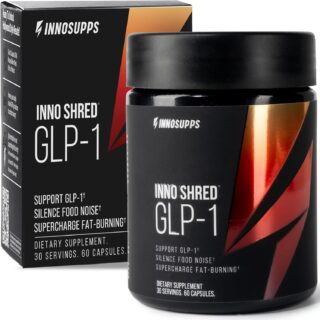
Inno Shred GLP-1 Thermogenic Fat Burner & Appetite Support is an over-the-counter dietary supplement by Inno Supps designed to support metabolism, manage cravings, and promote fat utilization. Unlike prescription GLP-1 medications (such as Ozempic or Wegovy), this is a non-prescription capsule formulated with natural ingredients intended to stimulate the body’s native metabolic and appetite-regulating pathways. Read more …
🔎 Key Product Overview & Ingredients
The formula focuses on three primary goals: natural GLP-1 and metabolic support, appetite regulation, and thermogenic fat burning.
Natural GLP-1 & Metabolic Support: It features Berberine Hydrochloride and InnoSlim. Berberine is a plant extract frequently highlighted in metabolic health for its role in helping to support healthy blood sugar levels and insulin sensitivity.
Appetite & Craving Control: It utilizes Chromium Picolinate to help reduce cravings for carbohydrate-dense or sugary foods by supporting steady glucose metabolism throughout the day.
Thermogenic Activation: The inclusion of Paradoxine (Grains of Paradise extract) and Rauwolscine aims to drive thermogenesis—the body’s process of producing heat to burn calories—and aid in converting white adipose tissue (stored fat) into active brown adipose tissue
Alli Weight Loss Diet Pills – FDA Approved

Alli weight loss supplement is the only FDA-approved, over-the-counter weight loss pill designed for overweight adults (aged 18 and older) to use alongside a reduced-calorie, low-fat diet and regular exercise. Its active ingredient is 60 mg of orlistat, which is half the strength of the prescription-version weight loss drug.